
Think about how many hours you spend looking at screens every day. You might start your morning by checking your phone, spend the afternoon working on a laptop and finish the day watching videos or scrolling through social media. Screens have become difficult to avoid, and that is one reason why blue light glasses are getting more attention.
You may have seen glasses advertised with blue light coating or blue light protection. They often look just like ordinary spectacles, but their lenses have an additional feature. So, are they actually different from regular glasses? And which one should you choose?
Let’s look at the differences before you decide to buy your next pair.
What Are Blue Light Blocking Glasses?
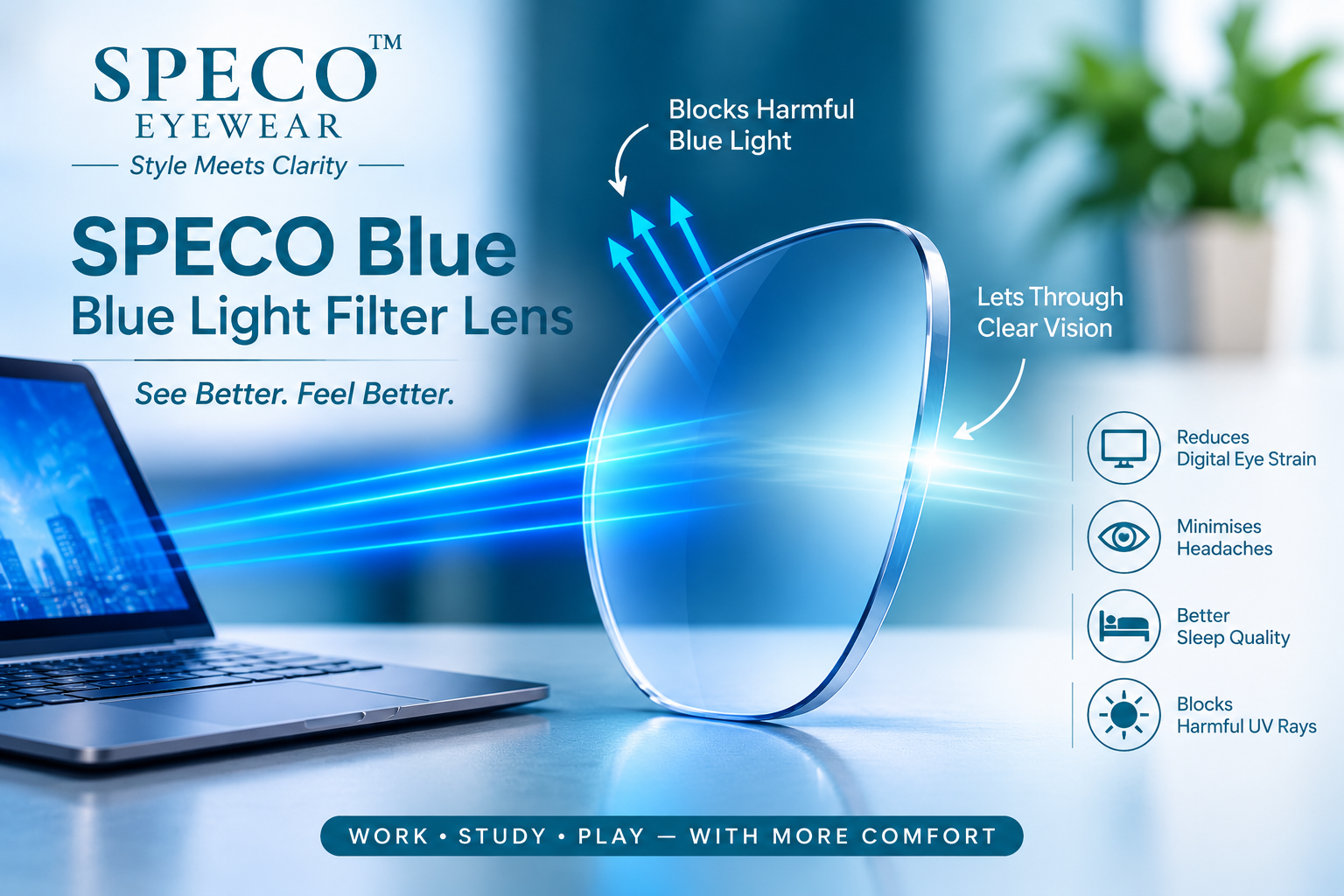
Blue light blocking glasses are designed to filter a portion of blue light before it reaches your eyes. Blue light is not something produced only by mobile phones and computers. Sunlight is actually a major natural source of blue light. LED lights, televisions and other digital screens also emit it.
These glasses usually have specially designed lenses or a coating that filters some blue light. Depending on the product, the lenses may look completely clear or have a slight yellow tint or Blue tint.
People who spend much of their working day in front of a computer often consider these glasses as an additional eyewear option. However, the level of blue light filtering is not the same for every lens. It is always worth checking the product details before purchasing.
What Makes Regular Glasses Different?
Regular glasses are mainly used to correct eyesight. If you have trouble reading small text, seeing distant objects or focusing on nearby things, prescription lenses can help.
An eye specialist may recommend glasses for conditions such as short-sightedness, long-sightedness, astigmatism or age-related vision changes.
Regular lenses can also come with different features. For example, an anti-reflective coating helps reduce reflections on the lens surface, while scratch-resistant coatings help protect lenses from everyday wear.
One important thing to remember is that an anti-reflective coating and a blue light filtering coating are not necessarily the same. A regular pair of glasses does not automatically offer blue light filtering.
Blue Light Glasses vs Regular Glasses: 4 Things to Know
Before choosing between the two, here are a few practical differences.
1. Their Purpose
The biggest difference is what they are designed to do. Regular prescription glasses help correct vision problems, whereas blue light glasses are designed to filter some blue light. You can also get prescription glasses with an added blue light filtering feature.
2. Lens Technology
Blue light filtering glasses use specific lens materials or coatings. Regular glasses may have clear lenses with features such as anti-reflective or scratch-resistant coatings. Always check the lens specifications rather than judging by appearance alone.
3. Appearance
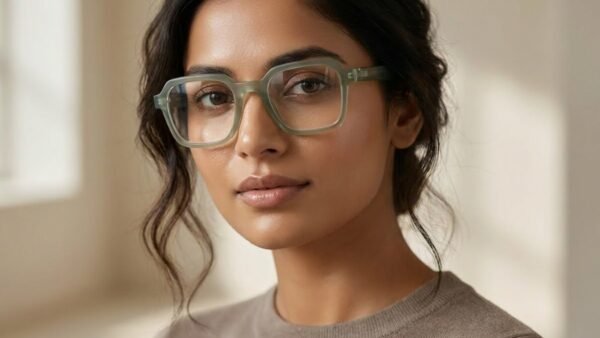
There may not be much difference when you look at the frames. Both can have similar shapes, colours and designs. The difference is usually in the lenses. Some blue light filtering lenses are clear, while others have a slight yellow appearance.
4. Prescription Availability
You don’t have to choose between vision correction and blue light filtering. Both features can be available in the same pair of glasses. If you already wear spectacles, ask your optician whether blue light filtering can be added to your prescription lenses.
Are Blue Light Glasses Worth Buying?
This is probably the question most buyers want answered.
Blue light glasses are popular among people who work on computers, attend online classes or spend a lot of time using digital devices. However, current scientific evidence does not establish that blue light filtering glasses prevent digital eye strain.
Screen-related discomfort can have several causes, including reduced blinking, screen glare, poor lighting and an incorrect prescription. Simply changing your glasses may not solve these problems.
A few everyday habits can also help:
- Take a short break from your screen regularly.
- Follow the 20-20-20 rule by looking at something around 20 feet away for 20 seconds every 20 minutes.
- Adjust your screen brightness to suit the room.
- Keep your screen at a comfortable viewing distance.
- Get your eyesight checked if you experience frequent headaches or blurred vision.
How to Choose the Right Pair?
Start with your actual vision requirements. If you need prescription glasses, make sure the lenses have the correct power. If you spend long hours working on digital devices, you can discuss blue light filtering options with your optician.
Don’t forget about the frame either. A good pair should feel comfortable on your nose and behind your ears. The frame should fit your face properly without constantly slipping or putting pressure on your temples.
At SPECO EYEWEAR, you can explore different eyewear styles and find frames that match your everyday needs and personal style.
Final Thoughts
Blue light blocking glasses and regular glasses may look almost identical, but their lens features serve different purposes. Regular glasses focus on vision correction, while blue light filtering lenses are designed to filter some blue light.
Before spending money on a new pair, think about what you actually need. The right prescription, comfortable fit and suitable lens features should always come first. A little research before buying can help you choose glasses that you will enjoy wearing every day.

Leave a comment