
Children read, play and watch cartoons and discover the world around them during the day. What happens when your child just can’t explain the problem and has trouble seeing clearly?
Young children may not be aware of the fact that they see things differently than other children. Rather than complain they may sit closer to the television, avoid reading or have difficulty seeing the classroom board.
These subtle changes are sometimes more evident to parents before a child expresses that something is wrong. Here’s a list of 10 symptoms to watch for in children that indicate eye problems.
1. Frequent Squinting
Have your child report if he or she squints when watching TV or trying to see something at a distance? If a person squints frequently, it could mean that he can’t focus, especially children who are nearsighted. If it occurs frequently, think about getting eyes checked.
2. Avoid sitting too close to the TV.
Some children just don’t like to sit away from the screen. If your child is constantly moving towards the TV or if your child is holding books close to his or her face, however, your child may be having trouble seeing. Notice the patterns of behaviour, not one behaviours.
3. Regular Headaches
After reading, writing or doing homework headaches sometimes can be related to vision problems. Other factors may be responsible like fatigue or dehydration. If your child has recurrent headaches, consult your health care provider to determine if he or she should have an eye exam.
4. The classroom board is hard to see. Being unable to see the classroom board.
If your child has trouble copying notes from the board, misses information being written by the teacher or often moves their seat, it may be because their eyesight is impacting on what is going on in the classroom. Inquire with teacher if they have observed the same challenges.
5. Rubbing the Eyes Frequently
Rubbing of eyes may be caused by tiredness in children but can be caused by eye irritation, allergy or strain as well when they rub their eyes often. If the habit persists or is accompanied by redness, itching or watering, see an eye-care professional.
6. Eyes That Appear Misaligned
Regularly crossed, turned-in or turned-out eye with the other eye pointing straight ahead may indicate strabismus. If eye misalignment is ongoing, it must be evaluated by a professional as some childhood vision conditions may impact on vision development.
7. Tilt Head, or Close One Eye
If a child frequently tilts his or her head or closes one eye to see something, they may be trying to see better. If this seems to happen with regular activities, schedule an eye exam to assess the function of both eyes.
8. Red, Watery or Light-Sensitive Eyes
Sometimes, redness or watering may be attributed to simple causes such as allergy reaction. If symptoms are ongoing, or if your eyes are painful or unusually sensitive to light, however, then that shouldn’t be ignored. If these symptoms are severe or sudden vision changes, get immediate medical help.
9. Avoid Reading or Drawing
Has your child just stopped reading storybooks, colouring or doing homework? Children may lose interest in learning the close-up skills if they find it uncomfortable to see things up close. Inquire about their concerns and see if they keep complaining of vision problems or eye fatigue.
10. Students can’t keep up with moving objects. Students have trouble keeping up with moving objects.
If your child has difficulty keeping up with a moving ball or they don’t track moving objects as you would expect for their age, talk to your child’s doctor about it. Eye contact concerns or movement of objects should also be addressed in normal health examinations in babies.
Why Regular Eye Check-Ups Matter
Not all children with a vision problem will exhibit symptoms. Some kids develop the blurry vision as an adjustment of normal, and they do not realize that something is amiss.
Age-appropriate vision screening on a regular basis may help to detect problems early. If you notice any of these tell-tale signs, don’t rely on an online vision test or make an educated guess about whether your child needs glasses—use a professional eye-care service instead.
Parents can encourage good vision by taking these steps: These are tips for parents to support good vision:
Some daily routines can promote your child’s eye health:
- Promote outdoor games and exercise.
- Limit the amount of time spent watching screens and allow your child time to get breaks.
- Allow for comfortable lighting for reading and homework.
Follow your doctor’s eye-screening recommendations.
Don’t use eye drops or medicine without medical advice.
While these can be helpful, they are not a substitute for professional eye care.
Choosing Glasses for Your Child
Prescription glass comfort and fit is as important as appearance if your child requires prescription glasses. Pick a frame that fits properly, feels comfortable behind the ears and fits your child’s lifestyle.
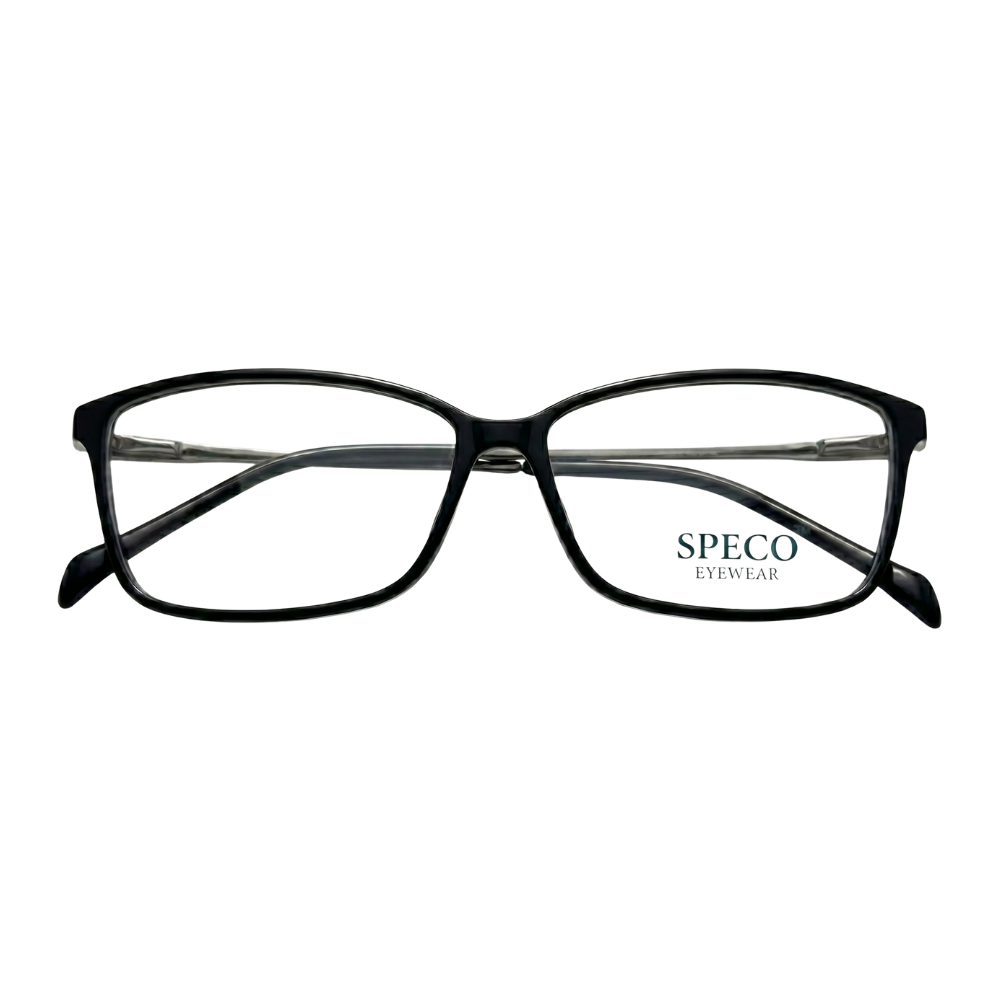
At SPECO EYEWEAR, parents have the opportunity to discover eyewear options for kids and find out the frames that are best for their child. Always use an appropriate prescription from a qualified professional when ordering prescription glasses.
Frequently Asked Questions
How to know if your child needs glasses?
A frequent occurrence of squinting, problems seeing the class board and frequent headaches when participating in visual activities may be signs. The only way to know if glasses are needed is to have an appropriate eye exam.
Do children need to have eye health issues without symptoms?
Yes. Some children will not complain of blurry vision because they believe that what they see is normal. It’s important, therefore, to have routine vision screening.
When to have my child’s eyes examined?
Make sure your child gets the screenings they need according to their recommended schedule and have an exam if they have any ongoing or vision changes. Sudden loss of vision or intense pain in the eye should be treated immediately.
Final Thoughts
Your child’s eyesight plays an important role in learning, playing and discovering new things. Small behaviour changes (e.g. often squinting or having trouble reading the board) may be worth investigating.
If you see these symptoms, find professional help, rather than waiting for your child to complain. With prompt attention, vision problems can be detected and the next steps in your child’s eye care can be identified.
Parents, we at SPECO EYEWEAR want to see you make comfortable, properly-prescribed eyeglasses a routine part of your child’s vision-care experience.

Leave a comment